


Introduction
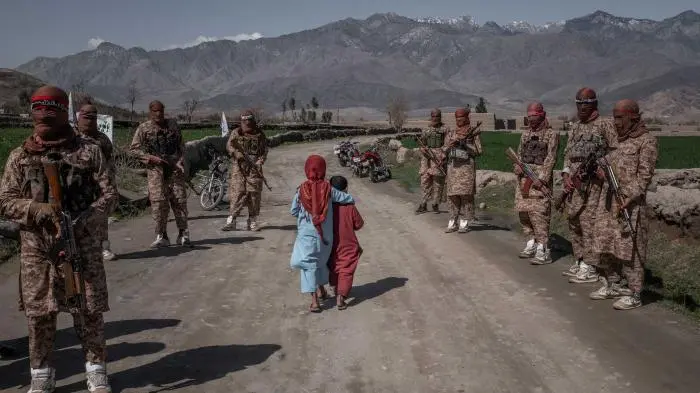
The phrase “Taliban unloved and unwilling” encapsulates a central dilemma facing Afghanistan today. While the Taliban regained control in 2021, they face widespread domestic dissatisfaction and international skepticism. The Afghan population largely views their rule as oppressive, particularly regarding human rights, women’s freedom, and ethnic inclusion. At the same time, the Taliban have demonstrated a notable unwillingness to reform governance structures or engage constructively with global institutions. This dual challenge—being both unloved by the people and unwilling to adapt—creates a precarious situation for Afghanistan, threatening political stability, economic growth, and social cohesion.
The Taliban’s Lack of Popular Support
Erosion of Legitimacy
Despite holding power, the Taliban’s legitimacy is fragile. Their rapid takeover did not involve an electoral process or consultation with Afghanistan’s diverse ethnic communities. Many citizens perceive them as an authoritarian force, prioritizing ideology over inclusive governance. This perception has deepened resentment and fueled disillusionment among urban populations and minority groups.
Human Rights Concerns
The Taliban’s harsh restrictions, particularly on women and girls, have significantly eroded their popularity. Education bans for girls, workplace limitations, and restrictions on freedom of movement have drawn domestic anger and international condemnation. These policies not only affect daily life but also hinder Afghanistan’s development prospects.
Ethnic and Minority Tensions
Afghanistan is ethnically diverse, with Pashtuns, Hazaras, Tajiks, Uzbeks, and other groups forming the societal fabric. The Taliban, dominated by Pashtun leadership, have historically sidelined minorities, which has fueled tension and mistrust. Hazaras, in particular, face systemic exclusion and violence, contributing to the Taliban’s perception as unlovable and oppressive.
International Isolation
The Taliban’s domestic unpopularity is compounded by limited international recognition. Many countries hesitate to engage formally, citing human rights violations and lack of political inclusivity. The resulting isolation further weakens their governance and deepens public dissatisfaction.
The Taliban’s Unwillingness to Reform
Resistance to Political Inclusion
Despite governing Afghanistan, the Taliban have shown reluctance to create participatory political structures. Power remains concentrated within a small group of leaders, leaving no space for opposition voices, independent media, or civic participation. This unwillingness has fueled both domestic frustration and international concern.
Ideological Rigidity
The Taliban’s rigid interpretation of Sharia law governs their policies. Attempts at compromise or pragmatic governance are often rejected, reinforcing a perception that they are unwilling to change or modernize. This inflexibility hampers problem-solving and weakens public trust.
Internal Factional Divisions
The Taliban are not a monolithic entity. Various factions with differing priorities and agendas sometimes clash over policy decisions, slowing governance and reform. This internal fragmentation reinforces their unwillingness to adopt consistent, transparent, and inclusive policies.
Reluctance to Engage Internationally
While some countries offer conditional engagement, the Taliban have resisted meeting international benchmarks for recognition. This includes safeguarding women’s rights, ensuring fair governance, and cooperating with global institutions. Their unwillingness to compromise maintains Afghanistan’s diplomatic isolation.
Consequences of Being Unloved and Unwilling
Governance Challenges
A government that is both unpopular and resistant to reform struggles to maintain stability. Lack of legitimacy and unwillingness to adapt can result in weak institutions, poor service delivery, and rising public dissatisfaction.
Economic and Humanitarian Impacts
The combination of domestic resentment and international isolation has severe economic consequences. Reduced foreign aid, lack of investment, and sanctions have caused poverty, food insecurity, and declining public services, aggravating the humanitarian crisis.
Security Risks
The Taliban’s unpopularity and unwillingness to reform can create openings for extremist groups to exploit societal grievances. Internal resistance, protests, and factional disputes increase the risk of conflict, threatening national security.
Regional Implications
Neighboring countries face the repercussions of instability, including refugee flows, cross-border terrorism, and economic disruption. The Taliban’s rigid stance complicates regional diplomacy and international efforts to stabilize Afghanistan.
Can the Taliban Change?
Necessary Reforms
To shift from being unloved and unwilling to a more legitimate and capable governance force, the Taliban would need to:
-
Implement inclusive political processes and allow minority representation.
-
Restore women’s rights and access to education and work.
-
Engage transparently with international bodies to rebuild trust.
-
Strengthen institutional capacity rather than relying solely on ideological control.
Challenges to Change
However, ideological rigidity, internal divisions, and fear of losing power hinder reform. Many Taliban leaders view compromise as a threat to their authority, making meaningful change unlikely without significant external or internal pressure.
Conclusion
The description of the Taliban as unloved and unwilling captures the essence of Afghanistan’s governance crisis. Their lack of domestic legitimacy and reluctance to embrace reform not only undermines their authority but also deepens social, economic, and security challenges. Afghanistan’s future remains uncertain unless the Taliban pivot toward inclusive governance, respect for human rights, and constructive engagement with the global community. Without such changes, the country risks prolonged instability, further isolation, and worsening humanitarian conditions.
FAQs
1. Why are the Taliban considered unloved by Afghans?
The Taliban’s oppressive policies, especially against women and minorities, and lack of inclusive governance contribute to their widespread unpopularity.
2. What does being “unwilling” mean in the context of Taliban rule?
It refers to the Taliban’s resistance to reform, political inclusivity, and engagement with international standards, maintaining rigid ideological policies instead.
3. How does this affect Afghanistan’s economy?
Unpopularity and isolation reduce foreign aid, discourage investment, and exacerbate poverty, creating economic stagnation and worsening the humanitarian crisis.
4. Can the Taliban gain international recognition?
Recognition is possible if the Taliban implement reforms on rights, governance, and inclusion. Without such changes, international engagement will remain limited.
5. What are the risks of continued Taliban inflexibility?
Persistent rigidity and lack of popular support increase instability, security risks, economic decline, and social unrest, potentially leading to renewed conflict or fragmentation.
