


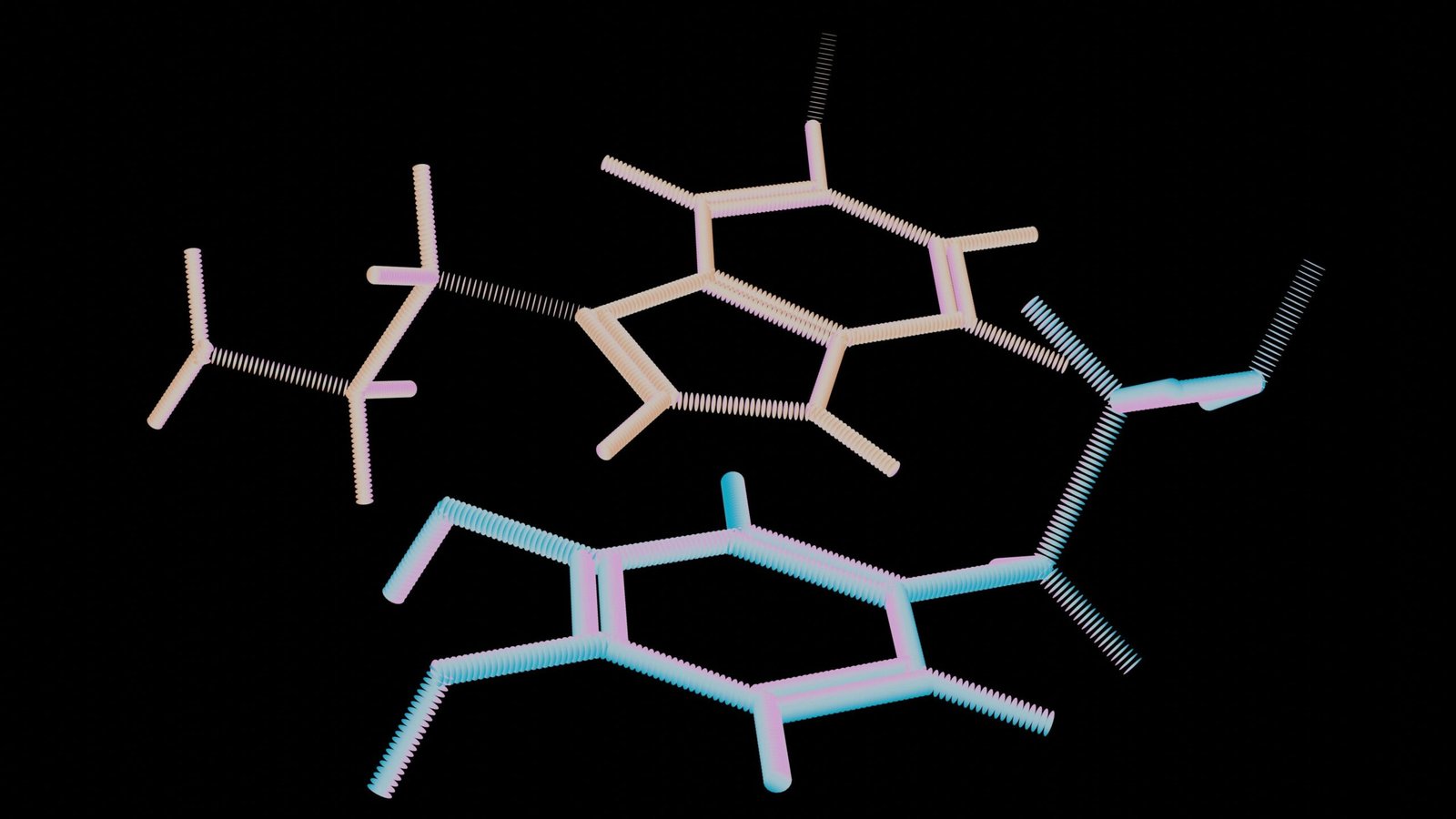
Introduction to Nukleotidy and its significance in life
Imagine the intricate dance of life, where every cell in our body performs a delicate ballet guided by tiny yet powerful molecules known as nucleotides. These essential building blocks serve as the foundation for genetic material and play vital roles in various biological processes. From the formation of DNA to energy transfer within cells, nucleotides are indispensable players on life’s grand stage.
In this blog post, we will embark on an enlightening journey through the world of nucleotides—uncovering their structure, functions, and significance in living organisms. Whether you’re a biology enthusiast or just curious about what makes life tick, understanding these remarkable components can unlock fascinating insights into how we exist and thrive. Join us as we delve deep into the secrets of nucleotides!
The structure and composition of Nukleotidy
Nukleotidy, the fundamental units that make up nucleic acids, consist of three main components: a phosphate group, a five-carbon sugar, and a nitrogenous base.
The phosphate group is crucial for linking nucleotides together. It forms strong covalent bonds with neighboring sugars through phosphodiester bonds. This creates a backbone essential for DNA and RNA strands.
The five-carbon sugar can be either ribose in RNA or deoxyribose in DNA, differing by just one oxygen atom. This small change significantly affects the stability and function of genetic material.
Nitrogenous bases are categorized into two groups: purines (adenine and guanine) and pyrimidines (cytosine, thymine, and uracil). These bases pair specifically—adenine with thymine (or uracil) and guanine with cytosine—ensuring accurate replication during cell division.
Together, these components form unique sequences that encode genetic information vital for all living organisms.
Functions of Nukleotidy in living organisms
Nukleotidy play crucial roles in living organisms, acting as the foundation for life itself. They serve primarily as the building blocks of nucleic acids, which store and transmit genetic information.
Beyond their structural importance, nukleotidy are essential in energy transfer. Molecules like ATP (adenosine triphosphate) demonstrate how these compounds fuel cellular processes. Without them, cells would struggle to perform basic functions.
Additionally, they participate in signaling pathways that regulate various biological activities. Certain nukleotidy function as second messengers, relaying signals within cells to trigger important reactions.
Moreover, they assist in metabolic processes by serving as coenzymes or intermediates. This versatility highlights their integral role across different biochemical reactions.
In essence, each type of nukleotidy contributes uniquely to sustaining life at every level—from single-celled organisms to complex multicellular entities. Their multifaceted functions ensure seamless coordination among numerous biological systems.
Different types of Nukleotidy and their roles
Nukleotidy come in various forms, each playing a critical role in biological systems. Adenine triphosphate (ATP) is perhaps the most well-known. It serves as the primary energy currency of cells, fueling essential processes like muscle contraction and cellular respiration.
Another type is guanosine triphosphate (GTP), which also provides energy but plays a vital part in protein synthesis and signal transduction pathways.
Cytidine triphosphate (CTP) contributes to lipid biosynthesis. This function makes it crucial for forming cell membranes.
Thymidine triphosphate (dTTP) is unique to DNA synthesis, ensuring proper replication during cell division.
Each variant of Nukleotidy not only supports fundamental life processes but also interacts intricately with enzymes and other molecules within the cell. Their diverse roles showcase their importance beyond mere building blocks, highlighting their dynamic contributions to life’s complexity.
How Nukleotidy is essential for DNA and RNA
Nukleotidy play a critical role in the structure and function of DNA and RNA. They serve as the fundamental units that build these essential molecules.
Each nukleotid consists of a sugar, a phosphate group, and a nitrogenous base. This unique composition allows them to link together, forming long chains that make up the backbone of DNA and RNA.
In DNA, nucleotides pair with complementary bases to create the double helix structure. This arrangement encodes genetic information vital for all living organisms.
RNA relies on nucleotidy too, but it typically exists as single strands. These strands are crucial for protein synthesis through processes like transcription and translation.
Without adequate levels of nukleotydu, cells cannot replicate properly or produce proteins efficiently. The integrity of life itself hinges on these tiny yet powerful components.
The process of Nukleotidy synthesis
Nukleotidy synthesis is a complex biochemical process vital for cellular function. It primarily occurs through two pathways: de novo synthesis and salvage pathways.
In de novo synthesis, nucleotides are built from simple precursors. This method involves several enzymatic reactions. The body utilizes compounds like amino acids and carbon sources to assemble the nucleotide structure.
On the other hand, salvage pathways recycle existing nucleotides. When cells break down RNA or DNA, they release bases that can be reused. This efficiency allows organisms to conserve energy while maintaining essential functions.
Both processes ensure a steady supply of nukleotidy for DNA and RNA production. Disruptions in these pathways can lead to significant health challenges, emphasizing their importance in biological systems. Understanding how these mechanisms work opens doors for therapeutic advancements in treating metabolic disorders linked to nucleotide imbalances.
Common disorders related to Nukleotidy imbalances
Nukleotidy imbalances can lead to various health issues. When levels are disrupted, cellular processes may falter, resulting in significant consequences for the body.
One common disorder linked to these imbalances is immunodeficiency. Insufficient Nukleotidy can impair immune cell function, making individuals more susceptible to infections and diseases.
Additionally, certain cancers have been associated with altered Nukleotidy metabolism. Tumor cells often exhibit unique patterns of nucleotide synthesis that help them proliferate uncontrollably.
Neurological disorders also emerge from these imbalances. Conditions like depression and schizophrenia show correlations with abnormal nucleic acid metabolism, highlighting their crucial role in brain health.
Metabolic syndromes may arise when the pathways responsible for producing or regulating Nukleotidy become dysfunctional. This disruption can contribute to obesity and diabetes risk factors as well.
Future research and potential
As we delve deeper into the world of Nukleotidy, the potential for future research is vast. Scientists are exploring innovative ways to manipulate these essential components for therapeutic applications. From genetic engineering to personalized medicine, understanding Nukleotidy could revolutionize how we approach health and disease.
Research is already underway examining the role of Nukleotidy in various disorders. This includes their involvement in cancer biology and metabolic diseases. By unlocking more secrets about these building blocks, researchers hope to develop targeted treatments that can correct imbalances or deficiencies.
Furthermore, advancements in biotechnology continue to enhance our ability to synthesize and analyze Nukleotidy on a large scale. Such progress may pave the way for breakthroughs not only in medical science but also in agriculture and environmental sustainability.
The journey into understanding Nukleotidy is just beginning. As scientists uncover new findings, we stand at the threshold of exciting developments that could reshape our understanding of life itself. The implications are far-reaching, promising a brighter future as we harness the true power locked within these fundamental molecules.
