


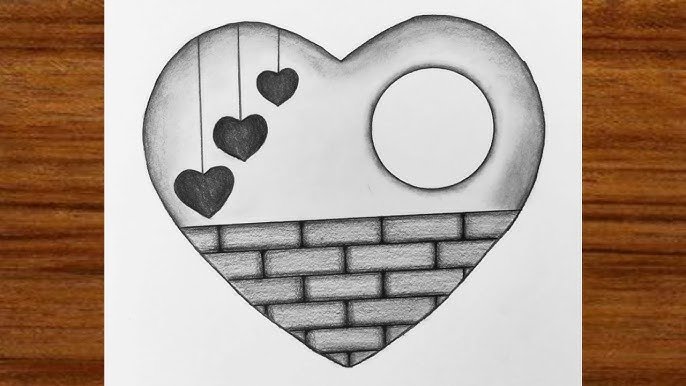
Understanding the Concept Behind alex drawings
If you’re eager to Master the Art of alex drawings, you’re already stepping into a creative world filled with expressive lines, bold ideas, and stylistic freedom. This art approach highlights personality and imagination rather than strict realism, making it a favorite for beginners and professionals alike. Since alex drawings emphasize structure, flow, and character, artists can experiment with depth and textures without overcomplicating their technique.
At its core, alex drawings blend foundational sketching with artistic exploration. Whether you’re sketching characters, landscapes, or abstract visuals, this method unlocks endless possibilities.
What Makes alex drawings Unique?
alex drawings stand out for their fluid strokes, simplified forms, and storytelling potential. Many artists love this style because it balances creativity with structure. The beauty of alex drawings is that you get to express mood through lines—some soft, some edgy, some thick, some thin.
Origins and Evolution of the Style
While alex drawings don’t belong to a formal historical art movement, the style pulls from modern illustration and character design influences. Over time, it evolved into a recognizable aesthetic that’s popular in digital art communities, animation circles, and sketchbook art culture. The flexibility of the style means it can adapt to any theme or genre.
Essential Tools You Need to Master alex drawings
To elevate your craft, choosing the right tools is crucial. Your materials influence your lines, shadows, and textures.
Must-Have Digital Tools
Digital artists flourish with tools like:
-
Drawing tablets (Wacom, Huion, XP-Pen)
-
Procreate
-
Adobe Fresco
-
Clip Studio Paint
These assist in achieving cleaner lines, adjustable brush sizes, and layered complexity—perfect for exploring alex drawings.
Traditional Tools for Beginners
If you’re working traditionally, use:
-
HB to 8B pencils
-
Smooth sketchbook paper
-
Blending stumps
-
Fineliners for details
Traditional drawing sharpens your control and teaches line discipline.
Step-by-Step Guide to Master the Art of alex drawings
This section gives you a hands-on process for mastering the style.
How to Structure Your Drawing Session
A productive drawing session includes planning, sketching, refining, and reviewing. Set goals for each session—maybe practicing proportions one day and shading the next.
Planning Composition and Layout
Before drawing, decide what you want to create. Make loose thumbnails to explore composition. Even a 30-second sketch helps you understand structure.
Sketching the Initial Outline
Begin with gentle strokes. Focus on proportions, shapes, and overall balance. The outline isn’t about perfection; it’s about placement.
Adding Depth, Texture & Details
Once the outline looks right, build layers. Add cross-hatching, shading gradients, or textured strokes to bring the drawing to life.
Techniques to Elevate Your alex drawings
This is where your drawings start to gain character.
Shading Techniques for Realism
Experiment with:
-
Smooth shading
-
Cross-hatching
-
Circular shading
-
Tonal layering
Shading is what transforms a flat sketch into dimensional artwork.
Mastering Light and Shadow
Understanding light sources is essential. Choose one primary light direction and make all shadows consistent with it.
Color Selection & Styling Tips
If you color your alex drawings, use harmonious palettes. Warm colors add energy; cool tones add calmness. Consider studying color psychology to improve your choices.
Common Mistakes Artists Make With alex drawings
Learning what to avoid is just as valuable as learning what to apply.
Overworking the Details
Adding too many details can overwhelm the viewer. Know when to stop and let your lines breathe.
Ignoring Proportions & Symmetry
Even stylized drawings need balance. Practice proportional guidelines to improve facial features, body ratios, and object placement.
Advanced Tips to Truly Master the Art of alex drawings
Once you’re comfortable with the basics, push your creativity further.
Developing Your Signature Style
Personal style comes from repetition, experimentation, and curiosity. Try new textures, unique shapes, or unconventional color choices.
Studying Other Artists for Inspiration
Observing other creators helps you refine your own techniques. Online platforms like ArtStation (example placeholder citation) provide great references.
How to Build a Portfolio Using alex drawings
If you want to showcase your work professionally, a curated portfolio is key.
Choosing Your Best Work
Pick drawings that show range—portraits, landscapes, characters, and experimental sketches.
Presenting Art Professionally
Use clean layouts, consistent formatting, and high-resolution scans. Add short descriptions beneath each piece.
FAQs About alex drawings
1. What exactly are alex drawings?
alex drawings are expressive sketch-style artworks focusing on character, flow, and creative interpretation.
2. Can beginners learn to Master the Art of alex drawings?
Absolutely! The style is flexible and beginner-friendly.
3. Do I need expensive tools?
No. Basic pencils and paper are enough to start.
4. How long does it take to improve?
Improvement depends on practice frequency, but many artists progress within weeks.
5. Are alex drawings only for digital artists?
Not at all! Traditional artists use this style too.
6. Where can I get inspiration for alex drawings?
Platforms like ArtStation, Pinterest, and online art communities offer endless ideas.
Conclusion
Mastering the Art of alex drawings is a rewarding journey filled with creativity, exploration, and growth. With the right tools, structured practice, and a willingness to experiment, you can develop skills that help you create expressive, memorable artwork. This style gives you freedom—freedom to sketch boldly, explore deeply, and craft a visual voice that’s uniquely yours.
