


Introduction: What is Asbestlint?
Asbestlint is a term often used to describe the fine fibrous particles of asbestos that become airborne when asbestos-containing materials are disturbed. These tiny fibers are highly hazardous when inhaled, as they can lodge in the lungs and cause serious health conditions, including asbestosis, lung cancer, and mesothelioma. Understanding what Asbestlint is and how to handle it safely is crucial for homeowners, construction workers, and anyone exposed to older buildings or industrial materials.
The Origins and Common Sources of Asbestlint
1. Historical Use of Asbestos
Asbestos has been widely used since the early 20th century for its durability, fire resistance, and insulating properties. Common applications included roofing materials, floor tiles, insulation, cement sheets, and pipe coverings. Over time, these materials degrade, releasing Asbestlint into the air.
2. Occupational Exposure
Construction, demolition, and renovation workers are particularly at risk of inhaling Asbestlint. Activities like sanding, cutting, or drilling asbestos-containing materials can release dangerous fibers.
3. Household Sources
Older homes may harbor asbestos in ceiling tiles, vinyl flooring, and insulation. Even minor disturbances during home repairs can release Asbestlint, making it a hidden household hazard.
Health Risks Associated with Asbestlint
1. Respiratory Diseases
Inhalation of Asbestlint can cause long-term respiratory problems. Asbestosis, characterized by scarring of lung tissue, is one of the most common outcomes. Early symptoms include coughing and shortness of breath, but complications can worsen over decades.
2. Cancer Risks
Prolonged exposure to Asbestlint is linked to mesothelioma, a rare but aggressive cancer affecting the lining of the lungs or abdomen. Lung cancer risk also increases, especially among smokers exposed to Asbestlint.
3. Latency Period
One of the challenges with Asbestlint exposure is the long latency period of diseases, often 20–50 years after initial exposure. This delay can make early diagnosis difficult, emphasizing the importance of preventive measures.
Safe Handling and Prevention of Asbestlint Exposure
1. Professional Assessment
Always consult certified asbestos professionals before attempting removal. They have the proper training and equipment to assess the presence of Asbestlint safely.
2. Personal Protective Equipment (PPE)
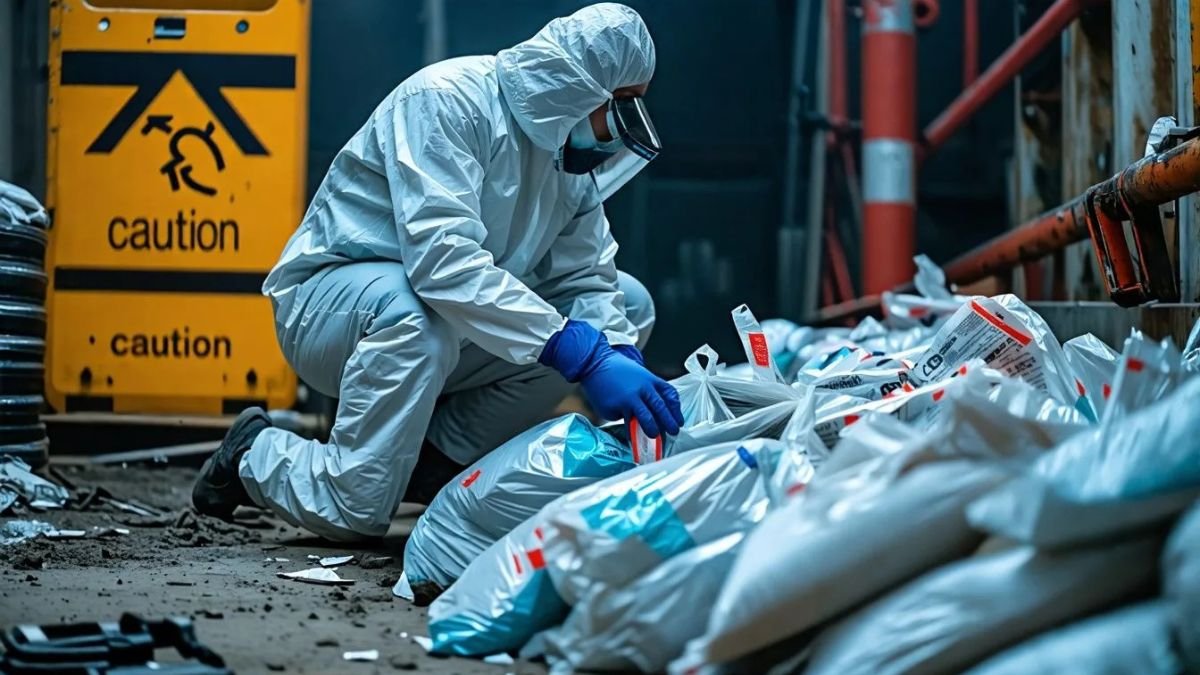
Workers handling asbestos must wear appropriate PPE, including respirators, disposable coveralls, gloves, and safety goggles, to minimize fiber inhalation.
3. Proper Removal Techniques
-
Wet Methods: Spraying asbestos materials with water reduces airborne fibers.
-
Encapsulation: Sealing asbestos materials prevents fiber release.
-
Controlled Disposal: Asbestlint waste must be disposed of in approved containers at licensed facilities.
4. Homeowner Precautions
Do not attempt to remove asbestos materials yourself. Instead, focus on keeping them intact and undisturbed until professionals can safely remove or encapsulate them.
Environmental Impact of Asbestlint
Asbestlint does not degrade naturally and can persist in the environment for decades. Improper disposal of asbestos materials contaminates soil and water, posing a risk to both wildlife and humans. Regulations mandate strict guidelines for handling and disposal to prevent environmental contamination.
Legal Regulations Surrounding Asbestlint
1. Workplace Safety Laws
Most countries have strict regulations governing asbestos use and removal. Employers must provide training, PPE, and safe work procedures to protect workers from Asbestlint exposure.
2. Building Codes
Building inspections often require asbestos surveys before renovations or demolitions. Failure to comply with regulations can result in significant fines and legal consequences.
3. Disposal Guidelines
Only licensed facilities can legally accept asbestos waste. Transporting Asbestlint improperly is illegal and hazardous.
Conclusion
Asbestlint is a silent but severe hazard that demands careful attention. Awareness of its sources, risks, and proper management can significantly reduce exposure and protect both human health and the environment. Whether in homes, workplaces, or construction sites, following professional guidelines and regulations ensures safety from this dangerous material.
Frequently Asked Questions (FAQs)
1. What is Asbestlint?
Asbestlint refers to tiny asbestos fibers released when asbestos-containing materials are disturbed. These fibers are hazardous if inhaled.
2. How can I know if my home has Asbestlint?
A certified asbestos inspector can test materials in your home for the presence of asbestos and potential Asbestlint.
3. Is it safe to remove asbestos myself?
No. Removing asbestos without professional training is extremely dangerous and illegal in many regions. Always hire certified professionals.
4. What health conditions can Asbestlint cause?
Asbestlint exposure can lead to asbestosis, mesothelioma, lung cancer, and other respiratory issues.
5. How can I prevent exposure to Asbestlint?
Keep asbestos materials intact, avoid disturbing them, use professionals for removal, and always follow safety regulations when working near asbestos.
